Dolphin House Hurghada: A Responsible Visitor’s Guide
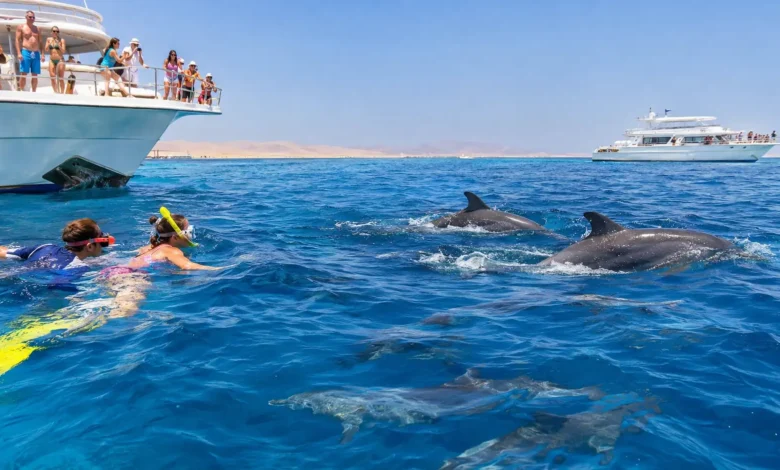
Dolphin House Hurghada is one of the Red Sea’s best-known snorkeling spots, drawing visitors who hope to observe wild dolphins in their natural habitat. Known locally as Sha’ab El Erg, this crescent-shaped coral reef off the coast of Hurghada offers sheltered turquoise water, colourful marine life, and the chance to see dolphins passing through or resting in the lagoon.
Quick Answer: Dolphin House Hurghada (Sha’ab El Erg) is an open-water coral reef ecosystem where wild dolphins frequently visit, not a marine park or captive enclosure. Because the animals are completely wild, sightings are never guaranteed. A rewarding and responsible visit depends on realistic expectations, calm water etiquette, reef-safe habits, and choosing an operator that puts wildlife welfare ahead of chasing pods.
If you are planning a Hurghada holiday and considering a boat trip to Sha’ab El Erg, knowing how to behave around wild marine mammals and fragile coral makes the experience better for both you and the Red Sea.
What Is Dolphin House Hurghada (Sha’ab El Erg)?
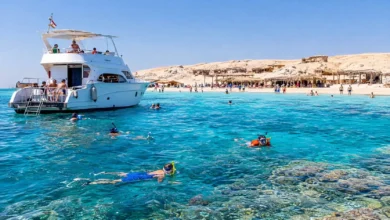
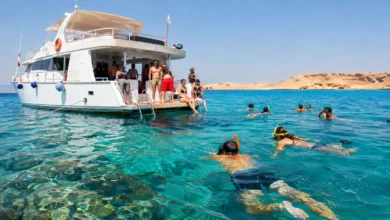
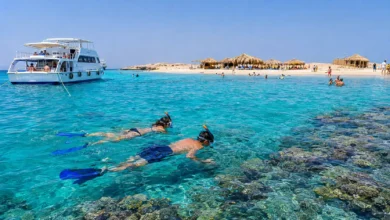
Sha’ab El Erg sits offshore from Hurghada in the Egyptian Red Sea. Its distinctive curved formation creates a relatively calm inner lagoon bordered by vibrant coral gardens and deeper blue water outside the reef wall. Boats anchor away from delicate coral structures, giving snorkellers access to clear shallows and reef edges.
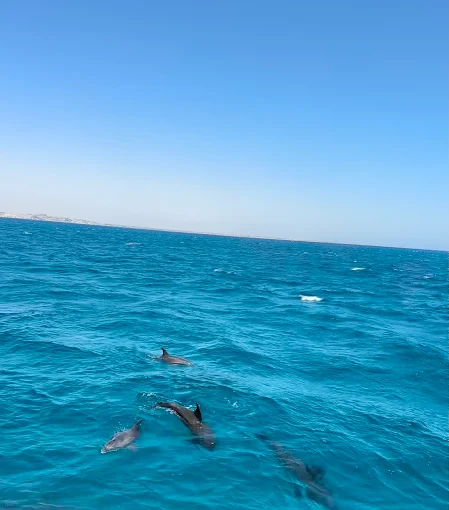
Wild spinner dolphins and bottlenose dolphins are drawn to lagoons like Sha’ab El Erg because the reef offers protection from open-sea swell, along with nearby feeding grounds. Rather than being an attraction with trained animals, Dolphin House is a living wild habitat that also supports hard and soft corals, reef fish, rays, and sea turtles.
Can You Expect to See Wild Dolphins?
The most important thing to understand before booking any Dolphin House Hurghada excursion is that dolphin sightings are never guaranteed. Wild dolphins roam vast stretches of the Red Sea following food, currents, and rest cycles. Some days pods rest quietly inside the lagoon; on other days they may swim past in the distance or stay out in deeper water.
Several natural factors shape what you see on the day:
- Wildlife behaviour: Resting, nursing, and travelling pods behave differently, and ethical boats will not force an interaction if the dolphins are moving away or resting.
- Sea and wind conditions: Swell, wind direction, and underwater visibility vary across the year and can influence both dolphin movement and snorkeling comfort.
- Other boats in the area: When multiple vessels gather, responsible crews coordinate carefully and keep distance rather than crowding the animals.
Even if dolphins do not appear near your boat, Sha’ab El Erg remains a rewarding Red Sea snorkeling site. Taking time to float above the coral reef and watch smaller reef fish keeps the outing memorable without putting pressure on wildlife.
How to Swim and Snorkel Responsibly Around Dolphins
Seeing a wild dolphin underwater is a privilege, and human behaviour directly determines whether the encounter is calm or stressful for the pod. Dolphins rely on rest periods inside sheltered reefs to recover energy and care for young calves. Repeated disturbance from noisy boats or assertive swimmers can drive pods away from vital resting areas.
Follow these essential wildlife etiquette rules whenever you enter the water:
- Never touch, feed, or chase dolphins: Physical contact can transmit disease, injure sensitive skin, or trigger defensive behaviour. Feeding alters natural foraging habits and harms marine health.
- Enter the water quietly: Slip into the sea smoothly from the boat ladder or platform without jumping, splashing, or shouting.
- Keep a respectful distance: Give dolphins plenty of room and never swim directly toward them to force a closer look or a photo.
- Let the dolphins decide: Float calmly near the surface and stay horizontal. Curious dolphins sometimes choose to swim past calm snorkellers on their own terms; if they turn away, let them go.
- Never block their path or surround a pod: Avoid swimming ahead of moving dolphins or positioning yourself between a mother and calf.
- Skip flash photography and noisy accessories: Bright flashes, selfie sticks thrust toward animals, and frantic fin kicking cause unnecessary stress.
Remember that watching dolphins peacefully from the boat deck can be just as special as being in the water—especially if conditions are choppy or if a pod appears tired and needs space.
Protecting the Red Sea Coral Reef While Snorkeling
Coral reefs take decades to grow and only seconds to damage. Because Sha’ab El Erg is both a dolphin resting area and a thriving reef ecosystem, responsible reef habits are just as important as dolphin etiquette.
Practice Good Buoyancy and Fin Control
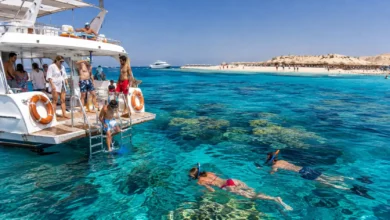
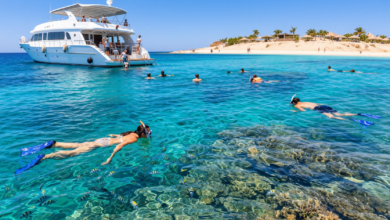
Coral polyps are living animals covered by a fragile tissue layer. Standing on a reef, grabbing rocks for balance, or brushing coral with your fins can kill polyps and leave the skeleton vulnerable to disease. Keep your body horizontal at the surface, bend your knees slightly if needed to keep fins clear of shallow coral heads, and look behind you before kicking.
If you are not fully confident floating in open water, ask the crew for a properly fitted life jacket or flotation aid so you never feel tempted to stand on the reef to rest or adjust your mask.
Choose Reef-Safe Sun Protection
Common chemical sunscreen ingredients—such as oxybenzone and octinoxate—wash off in the sea and contribute to coral bleaching and reef stress. In sunny Red Sea conditions, the simplest and most effective protection is wearing a long-sleeved UPF rash guard or lightweight surf shirt, paired with a mineral-based sunscreen (such as non-nano zinc oxide) on exposed areas like your face and neck. Applying sunscreen well before entering the water also reduces how much washes off on the surface.
Leave the Reef As You Found It
Do not collect shells, coral fragments, or marine creatures as souvenirs, and avoid stirring up sand over coral colonies. Everything on the reef plays a role in keeping the ecosystem balanced.
What to Pack and How to Prepare
A bit of thoughtful preparation helps you stay comfortable on deck and calm in the water. Because tour setups and onboard provisions vary, always check the Dolphin House Snorkeling Trip page or contact the team directly to confirm what equipment, refreshments, or transfers are included before you pack.
In general, consider bringing:
- Swimwear and a UPF rash guard: Protects your skin from strong Red Sea sun and reduces sunscreen runoff.
- Reef-safe mineral sunscreen, sunglasses, and a sun hat: Useful for open-deck shade breaks between snorkeling sessions.
- A towel and a light windbreaker: Even on warm days, sea breezes on the return boat ride can feel cool when you are wet.
- A reusable water bottle: Staying hydrated at sea is essential under the Egyptian sun.
- Motion-sickness support if needed: If you are sensitive to boat movement, consult a pharmacist before your trip about suitable remedies.
- Personal mask, snorkel, or underwater camera (optional): If you prefer your own properly fitting mask, bring it along; otherwise confirm equipment availability in advance.
How to Choose an Ethical Dolphin House Tour
Not every boat trip approaches Sha’ab El Erg in the same way. As a visitor, your booking choices encourage higher standards across the local marine tourism industry.
Before reserving a spot, look closely at how an operator communicates about wildlife and safety:
- Honest expectations: Responsible operators clearly state that dolphins are wild and sightings cannot be guaranteed.
- Clear safety and wildlife briefings: Crews should explain boat rules, snorkeling zones, and dolphin etiquette before guests enter the water.
- Respectful boat handling: Ethical captains avoid speeding into pods, circling dolphins, or encouraging guests to jump directly on top of resting animals.
- Transparent trip details: Check exact trip timings, pickup arrangements, suitability for beginners or children, and what is provided onboard by reviewing the tour listing or asking the operator directly.
If you want to review current trip information, inclusions, or suitability for your group, visit our Dolphin House Snorkeling Trip page so you have accurate, up-to-date details before booking.
Frequently Asked Questions About Dolphin House Hurghada
Is swimming with dolphins guaranteed at Dolphin House?
No. Dolphin House (Sha’ab El Erg) is an open marine reef, not an enclosed facility. Dolphins visit naturally and move freely across the Red Sea, so sightings depend on nature and can never be guaranteed.
Do I need to be a strong swimmer to visit Sha’ab El Erg?
Basic comfort in open water is helpful, as boats anchor in deep water beside the reef and sea conditions vary. If you are a beginner or travelling with children, check with the tour team in advance about flotation aids, water depth at snorkeling stops, and whether the sea conditions on your preferred date suit your comfort level.
Can visitors touch or feed the dolphins?
No. Touching, chasing, or feeding wild dolphins is harmful to the animals and unsafe for swimmers. Responsible guides always instruct guests to keep a respectful distance and observe quietly.
What else can you see while snorkeling at Dolphin House?
Beyond the chance of spotting dolphins, Sha’ab El Erg features hard and soft coral formations and a variety of Red Sea reef fish. Depending on conditions and luck, snorkellers may also spot rays or sea turtles along the reef edge.
When is the best time of year to go?
Red Sea weather allows boat trips throughout much of the year, though wind, water temperature, and sea state change by season. A wetsuit or rash guard can add warmth in cooler months, and contacting the local team shortly before your trip is the best way to understand current sea conditions.
Plan a Respectful Day on the Red Sea
Visiting Dolphin House Hurghada is a memorable way to experience the Red Sea’s natural beauty—especially when you arrive with patience, reef-safe habits, and genuine respect for wild marine life. Give dolphins space, protect the coral beneath your fins, and enjoy the rhythm of the open sea at its own pace.
Ready to check trip details or ask questions about sea conditions, equipment, and suitability for your group? Explore the Dolphin House Snorkeling Trip page or get in touch with our team via Contact Hurghada Wave Tours for straightforward advice before you book.